


ALUMINUM NAMEPLATES CUSTOM MANUFACTURER
At ETIE, we offer a comprehensive range of aluminum nameplate custom manufacturing services, catering to diverse industry needs. Our expertise spans multiple production techniques, including printing, etching, and engraving, ensuring that your aluminum nameplates are crafted with precision and attention to detail. Whether you require simple text or intricate designs, our skilled artisans have the capability to bring your vision to life.We can seamlessly integrate barcodes and variable data onto your aluminum nameplates, enabling efficient tracking and inventory management. Furthermore, our advanced embossing techniques allow us to create stunning 3D effects, adding depth and dimension to your nameplates, making them truly stand out from the crowd.
Why Choose Us?
Rich Experience
Formed in 2008,ETIE has12 years of continuous development in the nameplates and label stickers sector.
Wide Range of Applications
ETIE has developed a broad customer base reflecting a wide cross section of industry and commerce.
Wide Product Range
We focus on a series of badges accessories, a wide range of diversity, reasonable price and on-time delivery.
Reliable Product Quality
We incorporating a wide variety of print processes and embracing advances in technology to produce cost effective and high quality products.
What is Aluminium Name Plate?
Aluminum name plates refer to name plates made of aluminum materials. They are mainly used to mark and explain the nature, use, safety tips and other information of various equipment or items. Aluminum name plates have the characteristics of anti-corrosion, heat resistance, anti-oxidation, waterproof, etc., and have a long service life.
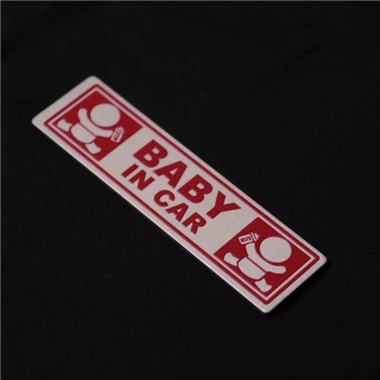
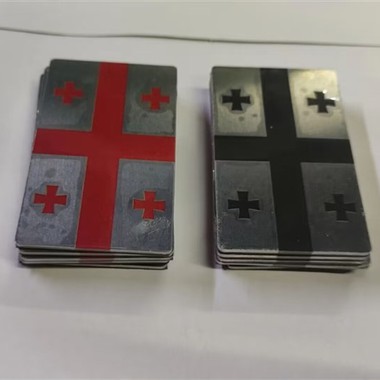
What Are Aluminum Nameplates?
Aluminum nameplates are durable and versatile identification labels or plates made from aluminum material. They are commonly used in various industries for product labeling, branding, and instructional purposes.
Aluminum name plates are flat, thin plates or panels typically made from anodized aluminum, which is a lightweight yet sturdy metal. The surface of the aluminum can be printed, engraved, etched, or embossed with text, graphics, logos, barcodes, or other visual elements.
Aluminum Nameplates Manufacturing Processes
Printing
Printing is suitable for creating nameplates with text, graphics, or logos and offers a wide range of color options. It is a cost-effective method for large production runs.
Etching
The etched areas can be filled with ink or paint to enhance contrast and visibility. Etched nameplates have a distinct raised texture and are highly durable.
Engraving
Engraving is a process that involves using a rotary or laser tool to remove material from the aluminum surface, creating recessed areas for text or graphics. Engraved nameplates have a clean and precise appearance, making them suitable for applications that require fine details or small text.
Embossing
Embossing creates raised or 3D elements on the aluminum surface by pressing or stamping the material. This process can be used to create raised text, logos, or patterns, adding depth and visual interest to the nameplate. Embossed nameplates have a tactile quality and can enhance branding or product aesthetics.
Anodizing
Anodizing is an electrochemical process that creates a protective oxide layer on the aluminum surface. This layer can be dyed in various colors, providing a durable and corrosion-resistant finish for the nameplates. Anodized nameplates are highly resistant to fading and wear, making them suitable for outdoor applications.
Barcoding and Variable Data
Aluminum nameplates can be customized with barcodes, QR codes, or variable data such as serial numbers or product information. This capability is essential for asset tracking, inventory management, and product traceability in various industries.
Applications of Aluminum Nameplates
Aluminum nameplates are widely used for various purposes, including:
Product identification and branding: Nameplates are commonly used on machinery, equipment, appliances, and consumer products to display the manufacturer's name, model information, and branding logos.
Instructional and safety labels: They can be used to display instructions, warnings, safety information, or operational guidelines, ensuring clear communication and compliance with regulations.
Asset labeling and tracking: Barcodes or QR codes can be integrated into aluminum nameplates, enabling asset tracking and inventory management in industries like manufacturing, logistics, and healthcare.
Architectural and signage applications: Nameplates can be used for building identification, directional signage, or commemorative plaques, thanks to their durability and aesthetic appeal.
Aluminum nameplates offer several advantages over other materials, such as resistance to fading, ease of customization, and cost-effectiveness for large production runs. They can be produced in various shapes, sizes, and finishes to meet specific design requirements or branding guidelines.
Advantages of Aluminium Name Plate
Boosting Brand Visibility
Aluminium nameplates are a silent ambassador for a brand, imparting a long lasting and polished display of the employer's identity. They make contributions drastically to improving logo visibility across a couple of touchpoints, such as places of work, storefronts, machinery, and merchandise.
Enhanced Professionalism and Trustworthiness
Industries ranging from manufacturing to corporate sectors closely rely on those nameplates to instill professionalism and credibility. Aluminium's glossy finish and robustness underscore a sense of consider, leaving an enduring impression on clients and stakeholders.
Versatile Applications in Multiple Sectors
These nameplates find flexible software across numerous industries like healthcare, aviation, hospitality, and beyond. From labeling scientific device with safety instructions to offering vital identity on aircraft additives, Aluminium Name Plates ensure clarity and protection standards.
Enduring Durability and Resistance
The innate traits of aluminium — durability, corrosion resistance, and adaptableness to various environments — make it a really perfect choice for nameplates. This durability guarantees that the brand identity stays intact for an prolonged period, minimizing substitute frequency.
Compliance and Safety Assurance
Industries, in particular those governed by using strict rules, depend upon Aluminium Name Plates for compliance necessities. These plates ensure vital statistics, warnings, or operating commands adhere to industry safety standards.
Support Creativity, Support Innovation!
Your guide fuels creativity, allowing the technology of greater insightful and beneficial prompts. Support now at Buy Me a Coffee to inspire more content creation!
Get to Know Your Aluminium Name Plate Substrate: Aluminum!
Aluminum is an anodizing material, which is an electrolytic passivation process used to increase the thickness of the natural oxide layer on the surface of metal parts. Anodizing increases resistance to corrosion and wear, and provides better adhesion for paint primers and glues than does bare metal. Anodic films can also be used for a number of cosmetic effects, either with thick porous coatings that can absorb dyes or with thin transparent coatings that add interference effects to reflected light. Anodizing changes the microscopic texture of the surface and changes the crystal structure of the metal near the surface. Thick coatings are normally porous, so a sealing process is often need to achieve corrosion resistance. Anodized aluminum surfaces, for example, are harder than aluminum but have low to moderate wear resistance that can be improved with increasing thickness or by applying suitable sealing substances.
Mill and matte finish are available with aluminum nameplates. Mill finish is considered the appearance of the aluminum as it comes from the rolling mill, or the extrusion mill. It is “as is” with no external mechanical or chemical finishing.Extruded metal is considered “mill finish”. All aluminum has an oxide of some varying thickness. Matte finish, on the other hand, is a textured finish that can be added to the nameplate to give it an additional visual appeal.
Metal photo, which is also known as photosensitive anodized aluminum, photo anodized aluminum, and photo metal, utilizes the porous nature of unsealed anodized aluminum to create a subsurface image, either through exposure and development of an anodic layer impregnated with silver compounds, much like traditional black and white photography, or through use of a photomask, in which the image is created through a variety of means, including chemical etching, color addition or color subtraction.
Crafting Custom Aluminium Name Plates: Elevate Your Space with Personalized Signage

Understanding the Essence of Custom Name Plates
Custom name plates are more than simply identifiers; they are an extension of character. Whether adorning a door, desk, or workplace area, those bespoke name plates exude character and sophistication. Choosing the proper material, font, and layout sets the tone for the ambiance it portrays.

Decoding Designs and Fonts
Delving into the arena of layout alternatives and fonts opens a realm of opportunities. Opt for sleek, present day fonts for a expert contact, or include whimsical scripts for a extra creative vibe. Balancing the layout with the cause is important, ensuring the call plate enhances the environment seamlessly.
Ensuring Longevity of Custom Name Plates
Craftsmanship and durability cross hand in hand. Understanding the surroundings and exposure of the call plate aids in choosing the perfect shielding coatings or finishes. Weather-resistant coatings for outside plates or scratch-resistant finishes for indoor use extend the life and appeal of the custom call plates.
Color Definition for Aluminium Name Plate
Defining color for your nameplate may seem like an easy element in the design. It is important to consider whether the color called out is to be used for background or graphic decoration. The same color can look quite different depending on the substrate and amount of coverage. Overlooking this part of your design can mean costly changes and delay production or launch of your product.
So how do you know if you should call out color to be for background or graphics for your nameplate? Many times your logo will give an obvious answer. The nameplates below show how logo design can translate directly to your nameplate design. Each nameplate takes on the shape and styling of the respective logo.
A nameplate does not have to be defined by the shape of the logo. Sometimes the product or model name is what is important to show on the label. When this is the case, the color callout for graphics or background decoration is in the eye of the beholder. The pink color in the below aluminum nameplates is the same. Both are legible and attractive. However there is a distinct visual difference between them.
Concept drawings for mockup, color chips or prototypes may be provided to help review and make a decision. These options should be discussed with your Customer Service Representative and may require some investment.
Ultimately the decision is up to you and how you want your nameplate to look. Taking the time to evaluate and consider the different options for color definition will save time and money while ensuring your nameplate showcases your brand in the correct way.
Conceptualization and Designing:
The design stage should be addressed before production. The next phase is coming up with a layout of how the aluminium name plate will be designed or branded including how large it will be and its shape. Designers work hand-in-hand with the clients to establish the requirements and then draw mock-ups or digital representations for approval before moving on.
Material Selection:
The selection of the right aluminium material is critical to the quality and durability of the name plate. The factors like the intended use, surrounding conditions and allocated budget play a role in material selection. Varieties of aluminium are found in different grades and thicknesses each with different characteristic in relation to strength, corrosion resistance, and finish. Manufacturers take into consideration these factors to make sure the material selected stands in line with the set objective of the name plate and functional requirement.
Cutting and Shaping Aluminium Sheets:
The first stage of fabrication of aluminium name plates is cutting and shaping of aluminium sheets to desired dimensions and design specifications. Advanced cutting tools like laser cutters and CNC machines are employed to enhance accuracy and uniformity in the finished product. Skilled technicians operate the machinery with care to get accurate cuts and shapes resulting in minimal material wastage and high efficiency.
Printing or Engraving:
Having cut the aluminium sheets to their required size, the next step is to add the required design elements, text, and or graphics onto the surface. It can be done with printing or engraving. To print the design, screen printing or digital printing can be used which will transfer the design clearly and precisely onto the aluminum surface. By contrast, engraving approaches, which include laser engraving or mechanical engraving are utilized to etch the design onto the aluminium thus generating a lasting and durable marking.
Surface Finishing:
The aluminium name plates are polished and other process are carried out for a good appearance, long life and resistance to corrosion from the environment. It may include, for example, anodization which creates a protective oxide layer on the surface and consequently prevents corrosion and improves the scratch resistance. The other finishing options include applying protective sealants of aluminium or applying decorative finishes paints or powder coating for color and texture. These surface treatments not only make the nameplates attractive but they also ensure proper functioning of the nameplates in various applications.
Checking for Imperfections:
The name plates of aluminium are throughly checked for quality control procedures and for any imperfections and defects before finalizing the design. Skilled inspectors scrutinize support plates paying considerable attention to any inconsistencies in designs, engraving or engraving errors, surface defects and other problems that could spoil the end product. All imperfections detected are documented and reported immediately in order to keep our standards high.
Ensuring Durability:
Besides visual inspection, durability testing is carried out to determine the resistance of aluminium name plates to several environmental factors and different mechanical stresses. The testing may include exposure to extreme temperatures, humidity, UV radiation, abrasion, and chemical resistance evaluation. Product manufacturers undergo stringent durability tests to prove beyond doubt that the labels withstand brutal conditions, keeping their features and functionality in check all the time and consequently meeting the requirements of customers.
Material of Aluminium Name Plate
● .002: This extremely thin aluminum is soft and malleable, making it a good choice when needed a foil label application. Affixing the plate with an adhesive offers a more practical solution to rivets or holes.
● .008: While still relatively thin, this aluminum thickness level won't bend as easily as a .002 measurement. It provides enough rigidity for less demanding nameplate uses. You can find this type of material thickness call out for blueprints in: control panel or airplane labels.
● .012: This thickness level gives you a cost-effective manufacturing solution that resists bending. Use it for nameplates on doors, desks and other locations where bending could be an issue. Because this degree of thickness produces a lightweight aluminum product, you can affix it to the desired surface with adhesives.
● .016: This aluminum thickness level falls under the “somewhat rigid” category.
● .020: For many projects, this thickness delivers the ideal combination of rigidity and functionality. Because of this versatility, you can use this measurement for aluminum nameplate marking projects that involve etching, engraving, digital printing and many other methods. You can affix the finished plate with rivets or adhesives.
● .032: If your project requires an extremely thick plate, this thickness offers the right mix of durability and flexibility. It's often the best choice when you need to add a high volume of information. Examples of this thickness are similar to the thickness of a credit card.
● .063: As one of the thicker “nameplate standard” aluminum used to manufacture nameplates, this version provides maximum rigidity and superior strength. You won't be able to bend the finished product by hand. It's also compatible with various marking methods. Consider this thickness for larger nameplates that require screw or bracket mounting; however, adhesive is always optional!
● .125: This aluminum can be brought in for special jobs and printed to your specifics. If your blueprint or drawing calls out for a thickness of 0.125″ or more call our salesman to discuss the best process for making your nameplate.
Common Concerns Affecting Longevity of Aluminium Name Plates
Abrasion or Scratches on Aluminium Nameplate Surfaces
Nameplates and graphic overlays can be subjected to heavy handling. This can lead to potential for graphics and surface decoration to become worn away, increasing risk for injury or missed instruction. Another issue with this is a loss of brand awareness because company logo or contact information is no longer visible.
Corrosion or Wearing Away of Aluminium Nameplate Material
The last thing that is wanted when a nameplate is attached to a product is that it wears away. Unfortunately there are harsh environments or chemicals that when exposed over time will corrode material. If your application is for a nameplate, data plate or label that will live in this type of environment, it is important to communicate that up front. Knowing that there is potential for exposure to things like sea water, certain chemicals, high heat, or wind can impact the material or processing that is needed to make a part that will last.
Securing a Aluminium Nameplate to the Product
A common question when designing aluminum nameplates and badges involves how to ensure a secure attachment to the end product. This can be a concern with any shape of a nameplate and on any type of product from industrial equipment and furniture to medical equipment and consumer electronics. Deciding which option is best will depend on your specific application. Many times the answer is simply to supply the nameplate with a peel and stick adhesive or to pierce holes which allow for assembly with rivets or screws.
Options for Aluminium Nameplates that Last
A reasonable expectation for any product label is that graphics will remain clear and not fade or rub off. Anodizing metal, protective topcoats, second surface printing on plastic, and over laminate processes are durable solutions that stand up to indoor and outdoor environments. Additionally, it is important that the nameplate or badge stays in place. Reliable options including adhesive and mounting holes are available for review.
4 Considerations to Pick a Shape for Aluminium Name Plates
Shapes by Industry
Some shapes work intuitively within an industry. For instance, conservative industries where trust is key are more likely to use rectangles and squares. Circular nameplates are timeless and a good choice to signify stability and endurance.
Product Shape
The shape of the product and where the nameplate will be applied also play a role in choosing an effective shape for nameplates. Organic product shapes and curves will be disrupted by branding with sharp edges. Square and rectangle shaped products can benefit from similar shaped nameplates.
Shapes by Emotion
There is something to be said for playing into the psychology of how fonts, shapes, and colors affect how a logo can influence purchasing decisions. Like color, shapes have emotional connotations and can be used to communicate your brand and values through your product branding.
Logo and Graphic Shape
Logo design is a driving force in choosing the shape for your nameplate. Stamping or blanking your nameplate so the outer periphery of the nameplate follows the outline of your logo creates a nameplate where the focus is the logo.
5 Reasons You Need a Aluminium Name Plate for Product Identification
First impression counts and that does not only apply to personal relationships. The way that your brand is displayed on your product says something about who you are as a company.
Think about the brands that are popular in your market. Would you recognize them without some common logo or graphic? Likely not. A properly placed and designed nameplate can solidify your brand message and make you recognizable in the market.
Similar to promoting brand awareness, when your product has consistent labeling, it speaks to your attention to detail. This, in turn, speaks to familiarity and lends itself to reinforcing your brand as a strong player.
A nameplate can be the eye-catching element that differentiates your product from others in the market. It is an indication of how valuable (or invaluable) your product is compared to others on the shelf.
Just like a nice aluminium nameplate helps to set your product apart from others, it can take your brand to the next level. It is your opportunity to draw attention and increase the perceived value for your product. Aluminum is the metal of choice for product designers looking for durable and strong nameplates, badges and ID plates. Polycarbonate is a common option for attractive graphic overlays and panels that require backlit or deadfront areas.
Reasons to Emboss Aluminium Name Plates
Physical Dimension
The nature of an emboss tool is literally adding a layer of dimension to push the surface of the metal up. This results in raised graphics, text, borders, etc.
Durability and Longevity
The embossed area is a permanent marking that will stay in place for the life of the product. It is a design element that cannot be erased or scratched away. UV curable inks and UV clear coat provides protection against exposure to the elements and harsh environments.
Draw Attention to the Brand
Embossed graphics automatically grab attention. It is hard to overlook the impact of an embossed logo for your brand message. The raised area can be spot decorated or left bright aluminum so that there is contrast with background colors.
Our Factory
Hangzhou ETIE Auto Accessories Ltd is a manufacturer of emblem badges, stickers and labels ,Design Creativity service, incorporating a wide variety of print processes and embracing advances in technology to produce cost effective and high quality products. Formed in 2008,ETIE has12 years of continuous development in the nameplates and label stickers sector. ETIE has developed a broad customer base reflecting a wide cross section of industry and commerce.Centrally located manufacturing facility in Hangzhou City(nearby Shanghai) servicing the whole of the world.


Ultimate FAQ Guide to Aluminium Name Plate
We're well-known as one of the leading aluminium name plate manufacturers and suppliers in China. If you're going to wholesale custom made aluminium name plate at competitive price, welcome to get more information from our factory.
Epoxy Resin Sticker, Die Cut Vinyl Stickers, BMW Resin Sticker